Introduction
Aso Oke, a traditional handwoven fabric of the Yoruba people, holds a prestigious place in Nigerian culture, particularly as an expression of style, heritage, and artistry. Iseyin, a historic town in Oyo State, Nigeria, stands out as the unrivaled hub for the production of this iconic fabric. For centuries, the people of Iseyin have upheld the tradition of weaving Aso Oke, ensuring its quality, creativity, and cultural significance.
However, despite its deep cultural roots and potential for global recognition, Aso Oke production in Iseyin remains largely unexplored by international markets and investors. With proper empowerment, including financial investment, modern technology, and global exposure, Aso Oke could transform into a global luxury brand.
This article explores the quality and benefits of Aso Oke production in Iseyin, its economic and cultural significance, and why international communities or foreign investors should empower Aso Oke producers to reach global markets.
The History and Significance of Aso Oke in Iseyin
Aso Oke, meaning "cloth from the top" or "high-quality cloth," is a traditional Yoruba textile worn during weddings, festivals, and other ceremonial events. This intricate fabric symbolizes prestige, status, and tradition within Yoruba culture.
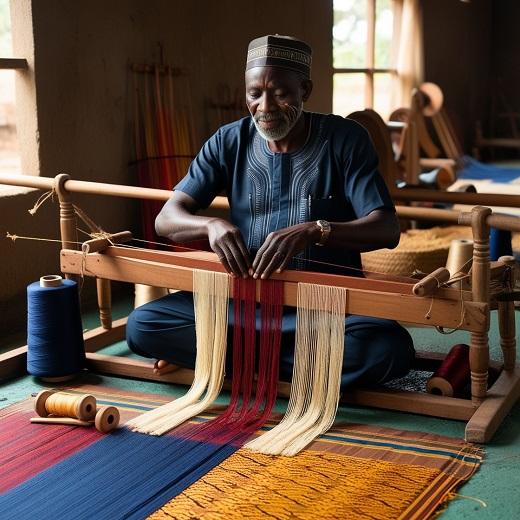
For generations, the skilled weavers of Iseyin have been the backbone of Aso Oke production in Nigeria. The town's weavers are celebrated for their unmatched craftsmanship, which has been passed down from one generation to the next. Families dedicate themselves to producing high-quality handwoven fabric using traditional looms, showcasing creativity, patience, and attention to detail.
Aso Oke has become more than just a fabric; it is an expression of Yoruba identity and African heritage. While its cultural significance remains deeply rooted, the fabric’s global appeal presents a golden opportunity for international markets.
The Quality of Aso Oke Produced in Iseyin
The quality of Aso Oke produced in Iseyin is second to none, thanks to the following attributes:
1. Handwoven Craftsmanship
Iseyin’s Aso Oke stands out for being 100% handmade. Each piece is woven with meticulous precision on traditional looms. The weaving process can take several days or weeks, depending on the complexity of the design. This artisanal method ensures durability, uniqueness, and high quality.
2. Variety of Designs and Patterns
Aso Oke is woven in a wide range of designs, colors, and patterns, reflecting the creativity of Iseyin’s weavers. The three primary types of Aso Oke include:
- Etu: A dark blue fabric with white stripes.
- Sanyan: A beige or light brown fabric made from locally spun silk.
- Alaari: A rich red fabric made from silk or cotton.
Weavers in Iseyin have evolved these traditional designs to include modern patterns, incorporating global fashion trends while maintaining cultural essence.
3. Durability and Sustainability
Aso Oke is known for its durability. Unlike synthetic fabrics, Aso Oke can last for generations, becoming a family heirloom. This sustainability aligns with global efforts to promote eco-friendly and long-lasting products.
4. Premium Materials
Iseyin’s weavers source high-quality cotton and silk threads, ensuring that every piece of Aso Oke meets premium standards. These materials contribute to the fabric’s soft texture, luxurious feel, and visual appeal.
Benefits of Aso Oke Production in Iseyin
Aso Oke production offers cultural, economic, and social benefits to the people of Iseyin and beyond:
1. Preserving Cultural Heritage
Aso Oke serves as a cultural emblem of the Yoruba people, preserving their history and traditions. Empowering Aso Oke production safeguards this heritage for future generations while promoting cultural exchange globally.
2. Job Creation and Economic Empowerment
Aso Oke production provides employment for thousands of artisans, particularly in Iseyin. Weavers, thread spinners, dye experts, and sellers depend on this industry for their livelihoods. Empowering the sector would create more jobs, reduce poverty, and improve living standards.
3. Promoting Small and Medium Enterprises (SMEs)
Most Aso Oke production in Iseyin operates as small and medium enterprises (SMEs). Investing in these businesses can boost Nigeria’s economy by increasing local production, exports, and foreign exchange earnings.
4. Sustainable and Eco-Friendly Production
Aso Oke production is environmentally sustainable, as it relies on natural materials and hand-weaving techniques that produce little to no waste. Supporting this industry aligns with global sustainability goals.
5. Global Fashion Appeal
The uniqueness, elegance, and versatility of Aso Oke make it suitable for global fashion markets. Designers worldwide are beginning to incorporate Aso Oke into their collections, showcasing its potential to become a sought-after luxury fabric globally.
Why International Communities and Foreign Investors Should Empower Aso Oke Producers in Iseyin
Aso Oke production in Iseyin offers international investors and communities a unique opportunity to tap into an industry with cultural depth, global appeal, and economic potential. Here are key reasons why empowering Aso Oke producers is a profitable and impactful decision:
1. Aso Oke as a Global Luxury Brand
Luxury fashion brands thrive on exclusivity, craftsmanship, and cultural narratives. Aso Oke’s handwoven quality and cultural heritage make it a perfect fit for the global luxury market. With the right investment, Aso Oke can become an internationally recognized brand like other cultural fabrics such as India’s silk sarees or Scotland’s tweed.
2. Expanding to International Markets
Most Aso Oke products are currently limited to local and national markets in Nigeria. Foreign investors can bridge the gap by introducing Aso Oke to international markets, including Europe, North America, and Asia. Exporting Aso Oke as high-value products will attract premium buyers seeking authentic and sustainable textiles.
3. Investment in Modern Technology and Training
While Aso Oke is traditionally handmade, introducing modern weaving technology can improve efficiency and production capacity without compromising quality. Foreign investors can fund technology-driven solutions, training programs, and equipment for weavers, empowering them to meet global demand.
4. Promoting Cultural Tourism
Iseyin’s Aso Oke industry offers significant opportunities for cultural tourism. International communities can invest in weaving centers, cultural festivals, and workshops where tourists experience the art of Aso Oke production firsthand. This would attract visitors, create jobs, and generate revenue.
5. Corporate Social Responsibility (CSR)
Investing in Aso Oke production allows international companies to demonstrate their commitment to preserving culture, empowering communities, and promoting sustainable practices. CSR initiatives that support Aso Oke producers align with global goals for poverty reduction, cultural preservation, and gender empowerment.
6. Enhancing Nigeria’s Non-Oil Exports
Nigeria has long relied on oil exports as its primary revenue source. By empowering Aso Oke producers, international investors can contribute to diversifying Nigeria’s economy through non-oil exports, promoting long-term economic stability.
Opportunities for Collaboration and Development
There are several ways international communities and investors can collaborate with Iseyin’s Aso Oke producers:
- 1. Investment in Weaving Facilities: Develop modern weaving centers equipped with advanced looms and tools.
- 2. Training and Skill Development: Provide technical training programs to improve the skills of local artisans, enabling them to produce world-class fabrics.
- 3. Establishing Export Channels: Partner with global fashion retailers, e-commerce platforms, and luxury brands to promote Aso Oke internationally.
- 4. Cultural Exchange Programs: Organize cultural events, fashion shows, and exhibitions showcasing Aso Oke on the global stage.
- 5. Funding Research and Development: Support innovation in textile production, exploring eco-friendly dyeing techniques and modernized designs.
Conclusion
Iseyin, the home of Aso Oke production, holds immense potential to become a global hub for luxury handwoven fabrics. The quality, artistry, and cultural significance of Aso Oke make it a valuable product for international markets. By empowering Aso Oke producers through investments in technology, training, and market access, foreign investors and international communities can unlock economic growth, preserve cultural heritage, and create sustainable livelihoods.
Aso Oke is more than just fabric—it is a story of resilience, creativity, and identity. Now is the time for international stakeholders to join hands with the weavers of Iseyin and bring this cultural masterpiece to the world stage.



 by Admin Bizoyeh